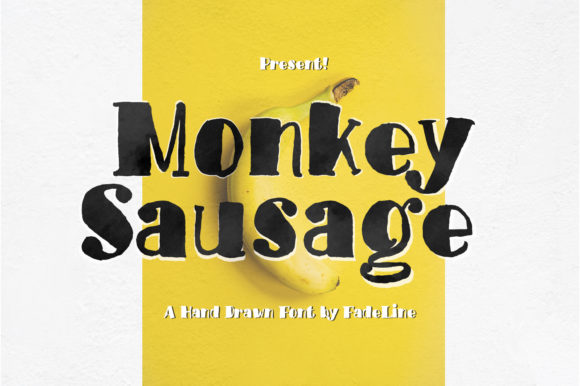
Monkey Sausage Font for Editorial Design
Monkey Sausage is a display font that brings a playful yet cool aesthetic to editorial design. Its whimsical character makes it ideal for creative projects where visual appeal and personality are key. Whether you're designing a blog header, magazine cover, or ebook title, this font adds a unique touch that stands out without compromising readability.
Visual Characteristics and Style
Monkey Sausage features rounded letterforms with a slightly exaggerated flair, giving it a friendly and approachable look. The font’s design balances fun with clarity, making it suitable for both digital and print formats. Its personality is light-hearted but not overly childish, which allows it to work across a range of content types from lifestyle blogs to professional newsletters.
The font’s structure ensures that even in larger sizes, the characters remain legible and visually balanced. This makes it a great choice for headlines, chapter openers, and other elements that need to capture attention while maintaining a clean appearance.
Applications in Editorial Design
Monkey Sausage can be used effectively in various editorial contexts. For instance, on a lifestyle blog, it could serve as the main heading for featured posts, creating an inviting and engaging atmosphere. In a recipe ebook, it might be used for section headings or titles of different dishes, adding a sense of playfulness to the content.
In a wedding guide, Monkey Sausage could be employed for event titles or invitations, bringing a cheerful tone to the publication. Similarly, for a coaching workbook, it might be used in chapter titles or motivational quotes, reinforcing the positive and uplifting message of the content.
For digital magazines, the font works well in cover designs or pull quotes, drawing readers’ eyes and enhancing the overall visual hierarchy. When paired with a readable serif or sans serif font for body text, it creates a strong contrast that improves readability and focus.
Readability and Practical Use
While Monkey Sausage is primarily a display font, its readability is maintained through thoughtful design choices. It performs well on screens, mobile devices, and in print, ensuring that it remains accessible across different mediums. When used for longer blocks of text, it's best to pair it with a more traditional font to maintain legibility and avoid eye strain.
For PDF exports and printable materials, the font renders clearly, making it a reliable choice for downloadable content such as worksheets, guides, and lead magnets. Its consistent stroke weight and spacing also contribute to a professional finish when used in branding or packaging design.
Font Pairing and Editorial Hierarchy
When incorporating Monkey Sausage into a design, consider pairing it with complementary fonts that enhance its playful nature while supporting readability. A classic serif font like Georgia or Times New Roman can provide a grounded contrast, making it ideal for body copy. Alternatively, a modern sans serif like Helvetica or Arial can offer a cleaner, more contemporary feel for captions or navigation elements.
Using Monkey Sausage for titles and subtitles while reserving more neutral fonts for body text helps establish a clear visual hierarchy. This approach ensures that the reader's attention is guided effectively through the content, improving overall engagement and comprehension.
Branding and Publication Identity
Monkey Sausage can play a significant role in shaping a publication’s brand identity. Its unique style can help differentiate a newsletter or magazine from competitors, especially in niches that value creativity and originality. Whether used in logos, headers, or promotional graphics, the font reinforces a consistent visual tone that aligns with the publication’s voice and mission.
For independent content brands or course creators, integrating Monkey Sausage into their design assets can create a cohesive and memorable brand experience. This includes using it in social media graphics, website headers, and marketing materials to maintain a unified look across all platforms.
Commercial Licensing Considerations
If you plan to use Monkey Sausage in commercial projects such as ebooks, templates, printables, or paid newsletters, ensure that you have the appropriate licensing rights. Commercial use typically requires a premium font license, which grants permission for use in client publications, digital downloads, and other revenue-generating content.
Always check the font’s licensing terms to confirm whether it supports multilingual characters, alternates, ligatures, or additional weights. These features can enhance the font’s versatility and make it more suitable for a wide range of editorial applications.
By choosing the right font license, you can confidently integrate Monkey Sausage into your editorial workflow, knowing that it meets the legal and practical requirements for professional use.